Welding Inspection
Welding inspection without Non-Destructive Testing (NDT) or Destructive Testing (DT) relies primarily on Visual Inspection (VT) and strict adherence to industry standards.
Visual Inspection
Visual inspection is the first line of quality control in welding. It is performed before, during, and after welding to detect visible defects, improper fit-up, and non-compliance with welding procedures.
Pre-Weld Inspection
Before welding begins, inspectors check:
✔ Material Verification – Ensure base metals and filler materials meet project specifications.
✔ Joint Preparation – Confirm correct joint fit-up, root gap, bevel angles, and cleanliness.
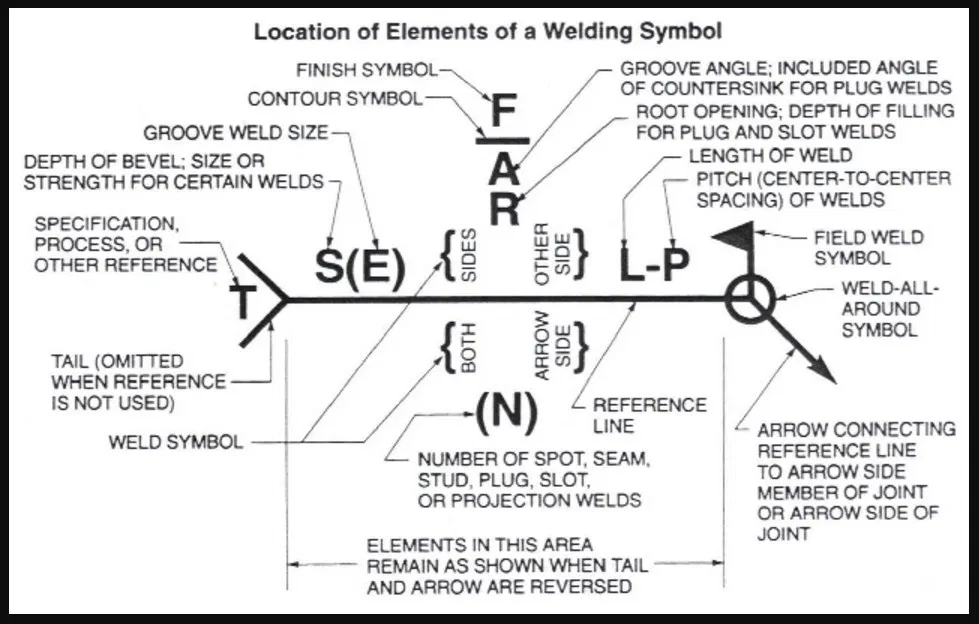
✔ Welding Procedure Review – Verify compliance with a Welding Procedure Specification
(WPS) and Procedure Qualification Record (PQR).
✔ Welder Qualification – Ensure welders are certified under relevant international and national
standards.
In-Process Inspection
During welding, inspectors monitor:
✔ Welding Parameters – Check voltage, amperage, travel speed, and shielding gas flow.
✔ Inter-pass Cleaning – Ensure removal of slag, spatter, and contaminants between passes.
✔ Bead Appearance – Assess uniformity, penetration, and adherence to the WPS.
Post-Weld Inspection
After welding is complete, inspectors evaluate:
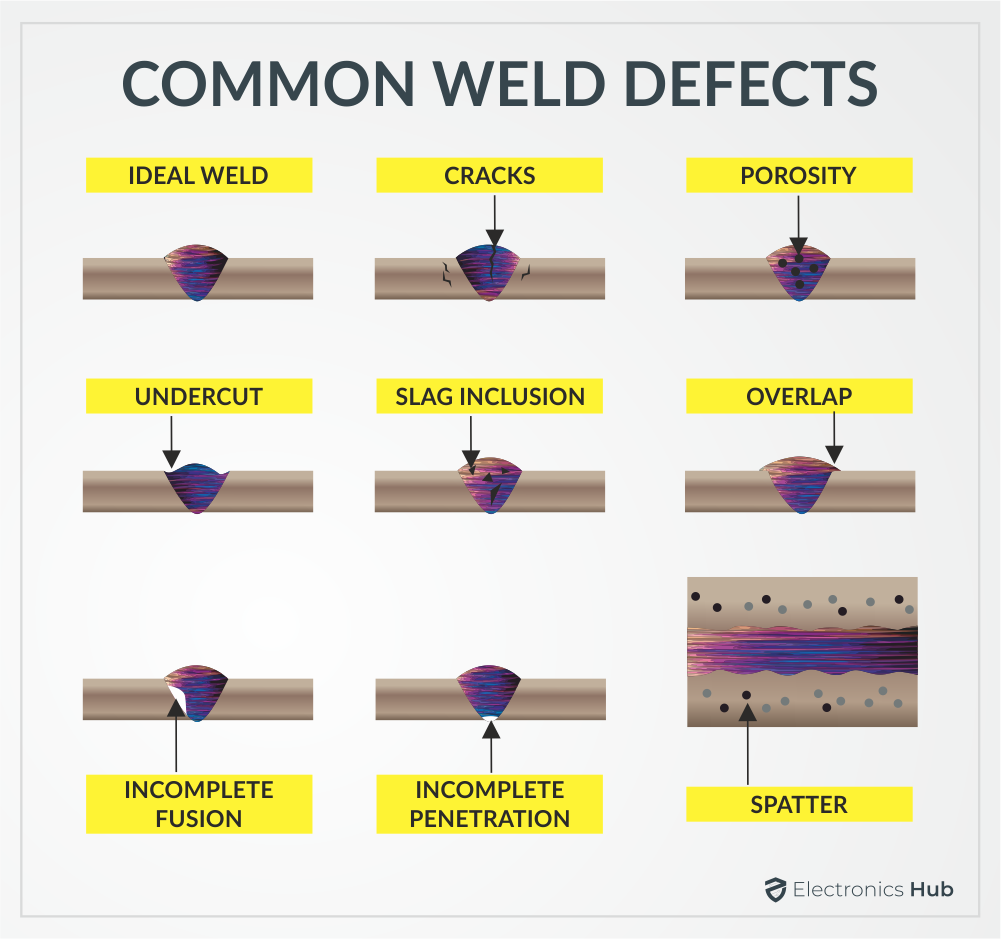
✔ Surface Defects – Identify visible cracks, porosity, undercut, and incomplete fusion.
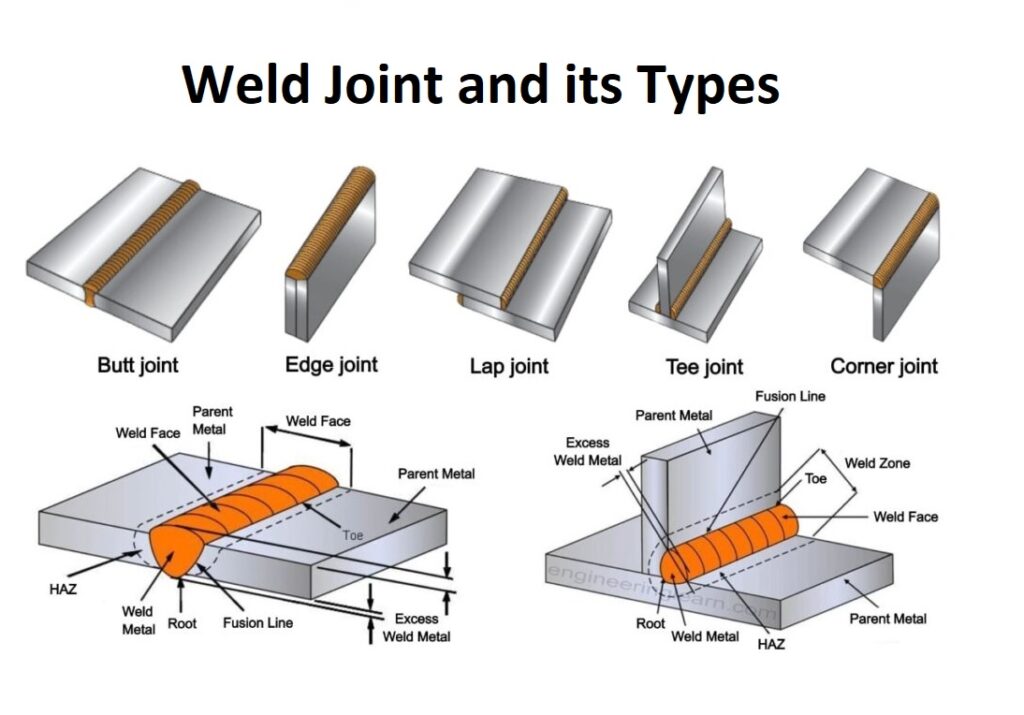
✔ Weld Profile – Check reinforcement, convexity, concavity, and smooth transitions.
✔ Dimensional Tolerances – Measure weld size, throat thickness, and leg length.
✔ Distortion & Warpage – Assess misalignment or deformation caused by heat input.
International Welding Codes & Standards.
Welding inspection must comply with national and international codes. Below is a comparison of
New Zealand, Australian, American, and British welding standards:
New Zealand & Australian Welding Standards (AS/NZS)
| Standard | Description |
|---|---|
|
AS/NZS 1554 |
Structural Steel Welding – Welding requirements for steel structures. |
|
AS/NZS 3992 |
Pressure Equipment – Welding requirements for pressure vessels and
piping. |
| Standard | Description |
|---|---|
|
AS/NZS 2980 |
Qualification of Welders for Fusion Welding of Steels. |
|
AS/NZS 5131 |
Structural Steel work – Execution requirements for steel structures. |
|
AS/NZS 9606-1 (ISO
9606-1) |
Welder Qualification Testing – Performance qualification for welders. |
American Welding Standards (AWS & ASME)
| Standard | Description |
|---|---|
|
AWS D1.1 |
Structural Welding Code – Steel. |
|
AWS D1.2 |
Structural Welding Code – Aluminum. |
|
AWS D1.3 |
Structural Welding Code – Sheet Steel |
|
AWS D1.6 |
Structural Welding Code – Stainless Steel. |
|
ASME Section IX |
Welding and Brazing Qualification – Covers welder qualification and
WPS/PQR requirements. |
|
API 1104 |
Pipeline Welding Code – Governs welding requirements for oil and gas
pipelines. |
British Welding Standards (BS & ISO)
| Standard | Description |
|---|---|
|
BS EN ISO 15614 |
Specification and qualification of welding procedures for metallic
materials. |
|
BS EN ISO 9606-1 |
Qualification testing of welders – Fusion welding. |
|
BS EN 1090-2 |
Execution of steel structures and aluminum structures – Welding
requirements. |
|
AWS D1.6 |
Structural Welding Code – Stainless Steel. |
|
BS 4515-1 |
Welding of steel pipelines on land and offshore. |
|
BS EN ISO 5817 |
Welding – Acceptance levels for imperfections in welds. |
Role of a Welding Inspector
Welding inspectors must:
✔ Ensure compliance with international welding standards (AS/NZS, AWS, ASME, BS, ISO).
✔ Perform thorough visual inspections before, during, and after welding.
✔ Verify welding procedures and check welder certifications.
✔ Assess weld quality by identifying surface defects such as cracks, porosity, and undercut.
✔ Report findings and recommend corrective actions when necessary.
Welding Inspection Personnel Qualification & Skills
At QCS.Otago Ltd, our welding inspection team consists of highly qualified and certified professionals committed to ensuring weld quality, safety, and compliance with industry standards. With extensive experience in structural, pipeline, and pressure vessel welding,our inspectors provide expert assessment and verification of welding processes across
multiple industries.
Our Qualifications & Certifications
Our welding inspectors hold internationally recognized certifications.
Key Skills & Expertise
Our welding inspectors are proficient in:
✔ Welding Procedure & Welder Qualification – Ensuring compliance with WPS, PQR, and WPQ requirements
✔ Visual Welding Inspection (VT) – Evaluating welds for surface defects, profile, and quality
✔ Welding Codes & Standards Compliance – Expertise in AWS, ASME, API, ISO, BS, and AS/NZS regulations
✔ Materials & Metallurgy Knowledge – Understanding base metals, filler materials, and heat treatments
✔ Weld Defect Analysis & Quality Control – Identifying and preventing welding discontinuities
✔ Pre-Weld, In-Process, & Post-Weld Inspections – Ensuring correct joint preparation, welding execution, and final quality
Industries We Serve
Our welding inspectors work across various sectors, including:
Structural Steel & Construction – Compliance with AS/NZS 1554, AWS D1.1, BS EN
1090
Oil & Gas Pipelines – Inspection based on API 1104, BS 4515-1
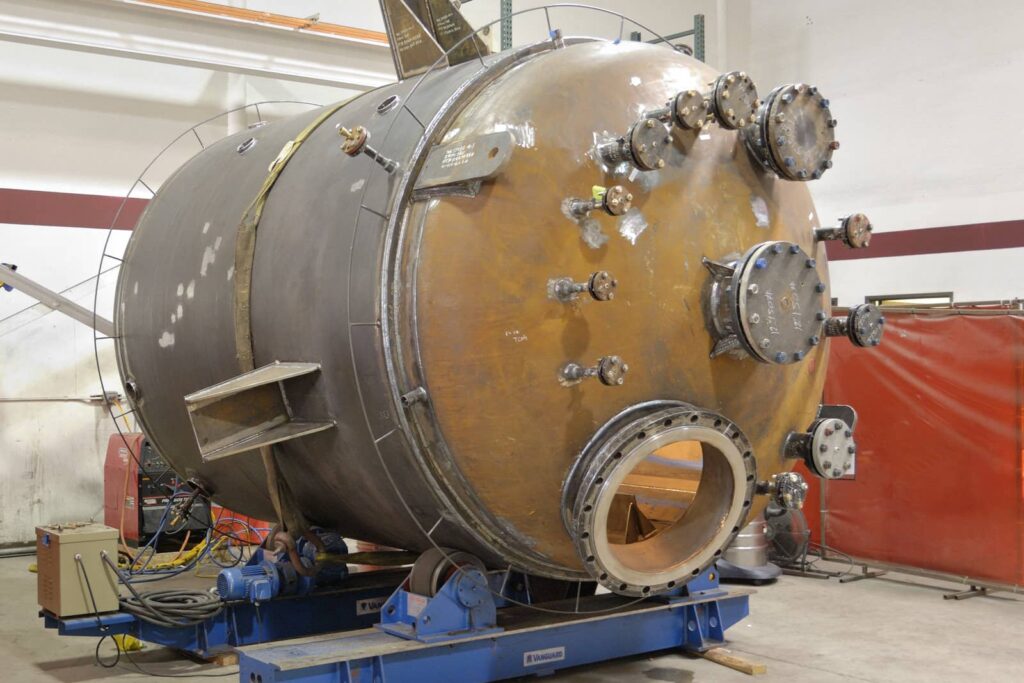
Pressure Vessels & Piping – ASME Section IX, AS/NZS 3992, ISO 15614
Marine & Offshore Structures – Compliance with industry and classification society requirements
At QCS.Otago Ltd, we take pride in delivering reliable, high-quality welding inspection services backed by our team of certified professionals. Contact us today to discuss your welding inspection needs!